Buy Bulk Ammo by the Case for Law Enforcement Training and Range Savings
When a shooter finishes a long range session with hundreds of rounds expended, buying ammunition in bulk—typically packaged in cases of 500 to 1,000 rounds—ensures they have a steady supply for the next outing. Bulk ammo functions identically to standard retail boxes, with the same caliber, primer, powder, and projectile, but is sold in larger quantities to reduce per-round cost and packaging waste. It works best when stored in a cool, dry place, using a simple rotation system where newer purchases go behind older stock to maintain consistent performance. For frequent range visits or zeroing multiple firearms, having loose rounds or sealed bulk packs allows quick loading into magazines or speedloaders without frequent trips bulk ammo for sale to the store.
Why Buying Ammunition by the Case Saves You More Than Money
When you commit to bulk ammo, the savings begin at the register, but they ripple far beyond the price tag. Buying by the case means fewer trips to the range shop, which translates directly into less fuel burned and fewer impulse purchases on overpriced boxes. Bulk ammo also turns practice into a habit, not a luxury—you’ll actually train more because the stash feels abundant, and that repetition builds muscle memory no single box can offer. The real kicker? Your mental math shifts from “per box” to “per round,” so you stop flinching at every shot you fire, letting you focus on sight picture and trigger control instead of counting costs. One case on the shelf also means zero .260 Remington Ammo for Sale last-minute panic buying before a match, which spares you the premium markup of desperation. In short, a case isn’t just inventory—it’s freedom to shoot badly, improve, and then shoot better without the sting of retail.
The Real Per-Round Cost Difference Between a Box and a Crate
The real per-round cost difference between a box and a crate becomes visible when you divide total price by cartridge count. A typical 20-round box of 9mm runs $13–$16, translating to $0.65–$0.80 per round. A 500-round crate, however, often sits at $280–$320, yielding $0.56–$0.64 per round—a consistent **savings of $0.09–$0.16 per shot** against box pricing. That gap widens with larger calibers: a .223 Remington box (20 rounds) at $18–$22 costs $0.90–$1.10 per round, while a 500-round crate at $400–$450 drops to $0.80–$0.90. The crate’s advantage stems from reduced packaging labor and per-unit shipping, not bulk discounts alone.
How Volume Purchasing Cuts Down on Shipping Fees and Per-Order Charges
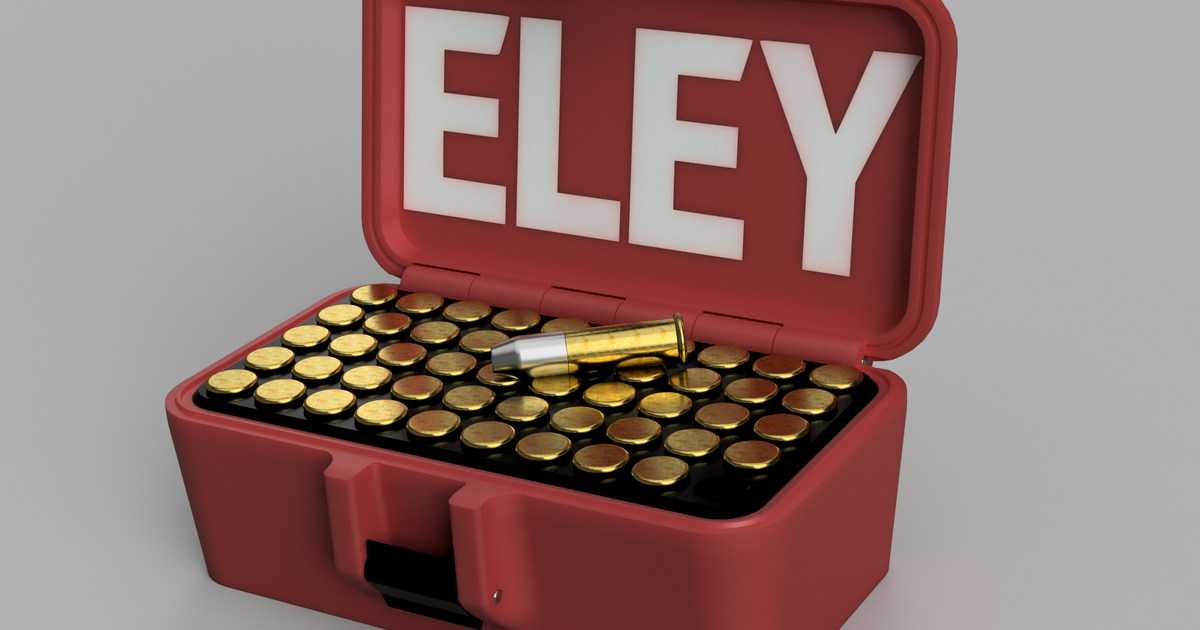
When you buy ammunition by the case, the per-order shipping fee—typically a flat rate per box—gets absorbed across hundreds of rounds, not just fifty. A retailer charging $12.99 flat shipping on a single box adds roughly $0.26 per round; the same fee on a 500-round case drops to $0.026 per round. Additionally, volume purchasing eliminates repeat handling charges: you pay one transaction fee, one warehouse pick fee, and one carrier surcharge instead of five separate ones. Consolidating a month’s training or practice into a single case order effectively neutralizes the fixed-cost penalty that makes small ammo purchases disproportionately expensive. This is why bulk ammo case orders slash per-round logistics costs by 70–90% before you even fire a shot.
| Purchase Size | Flat Shipping Fee | Per-Round Shipping Cost |
|---|---|---|
| 1 box (50 rounds) | $12.99 | $0.26 |
| 1 case (500 rounds) | $12.99 | $0.026 |
What the Price Per Round Actually Breaks Down To at 500, 1,000, and 5,000 Rounds
At 500 rounds, you’re usually paying the “convenience tax”—maybe 14 to 16 cents per round for 9mm, since shipping and handling eat into the discount. Jump to 1,000 rounds, and that price per round drops to around 11 to 12 cents, because the per-unit shipping cost shrinks and the manufacturer’s bulk discount kicks in. Go all the way to 5,000 rounds, and you’re often looking at 9 to 10 cents per round, sometimes lower if you stack a sale. That’s savings of roughly 30–40% off the small-box price.
- At 500 rounds, you recoup only the basic tier discount.
- At 1,000 rounds, you break into the real per-unit savings.
- At 5,000 rounds, the fixed costs (freight, packaging) spread so thin that the round price hits its floor.
How to Match Your Firearm’s Needs to a Large-Quantity Order
When you’re stacking bulk ammo for a large-quantity order, the first story begins with your firearm’s chamber pressure and barrel twist. A 5.56 NATO rifle might digest 55-grain loads for plinking, but if your barrel has a 1:7 twist, heavier 62–77 grain projectiles stabilize better for accuracy—so order those in bulk instead. Match your bolt’s gas system length to the powder burn rate: carbine-length systems often cycle smoother with faster-burning loads, while rifle-length systems prefer slower powders. Also, check your magazine’s feed geometry—some pistols jam on flat-nosed bulk ammo, so order round-nose profiles. Finally, your recoil spring weight dictates what velocity you can run; a light spring needs lower-pressure bulk loads to avoid battering. Test a single box first, then commit to the case—that’s how you match the order to the gun’s true appetite.
Choosing the Right Grain Weight for Your Specific Barrel Twist and Purpose
When committing to bulk ammo, the grain weight you select must align with your barrel’s twist rate and intended use, not just price-per-round. A 1:7 twist stabilizes heavier projectiles (62–77 grain) for long-range precision, while a 1:12 twist prefers lighter 55-grain rounds for flat trajectory at closer distances. For defensive loads, prioritize reliable expansion over speed—a 62–64 grain bonded hollow point often performs better in shorter barrels than a 77-grain match bullet. Always verify your twist rate by firing a ladder test across 55, 62, and 77 grains before ordering thousands of rounds. This prevents wasted inventory and ensures your bulk ammunition grain selection matches your rifle’s harmonics.
Q: How do I know if a specific grain weight will work in my barrel without wasting a bulk order?
A: Acquire a factory sample pack of each candidate grain weight, fire a three-shot group at 100 yards, and measure the tightest grouping. The twist rate dictates stability, but only your rifle’s groups reveal the optimal node—choose the grain weight producing under 1 MOA, then 7.5×55 Swiss Ammo for Sale order bulk with confidence.
Brass, Steel, or Aluminum Casings: Which Holds Up Best When You Stockpile
When stockpiling bulk ammo, casing metal dictates long-term reliability. Brass casings offer the best overall durability for reloading and corrosion resistance, though they cost more per round. Steel casings, typically polymer-coated, resist rust adequately but can wear extractors and are non-reloadable, making them a budget-friendly, one-use option. Aluminum casings sit between the two: lightweight and corrosion-resistant, yet prone to denting during rough storage and unsuitable for reloading. For a large-quantity order, prioritize brass if you plan to shoot and reload over years; choose steel only for immediate, high-volume practice; avoid aluminum for long-term stockpiles due to seal degradation at crimped primers over time. Rotate your stockpile by shooting oldest lots first, regardless of casing type, to prevent moisture intrusion at case mouths.
- Assess your storage environment: humid conditions favor brass or sealed steel.
- Match casing type to your planned reuse (brass for reloading, steel for disposable practice).
- Inspect primer crimps and neck seals annually on stored aluminum and steel rounds.
Understanding Velocity and Pressure Ratings for Your Handgun or Rifle
When you’re stacking up on bulk ammo, don’t just glance at the grain weight—check the velocity and pressure ratings match your specific barrel length and action. A hot load that’s fine for a rifle can spike pressure in a shorter handgun barrel, causing erratic .243 Ammo for Sale cycling or premature wear. For bulk purchases, stick to SAAMI-spec ammunition that mirrors your firearm’s intended operating range, especially for older or custom builds. Also, remember that higher velocity often means more recoil and muzzle blast, which can throw off your follow-up shots in a long range session.
- Compare your .223 Ammo for Sale firearm’s manual’s pressure limits (PSI/CUP) to the ammo’s published ratings before buying thousands of rounds.
- Test a small box first to verify chronographed velocity and extraction reliability before committing to the full bulk order.
- Match bullet velocity to your twist rate—too slow or too fast can destabilize the projectile, especially in longer bulk-buy sessions.
Smart Storage Tactics to Keep Your Ammunition Reliable for Years
When buying bulk ammo, your primary storage goal is to halt moisture, the chief enemy of primers and powder. Invest in heavy-duty, sealable ammo cans with rubber gaskets, and always include desiccant packs—recharge them regularly to ensure they pull humidity from the air. For long-term reliability, keep your bulk supply in a cool, stable environment below 70°F, as extreme heat accelerates powder degradation and can compromise case integrity. Rotate your stock using a first-in, first-out system, so older cartridges are fired before newer ones, preventing age-related issues. Store boxes upright to minimize primer shift and bullet setback, and avoid direct floor contact by using shelves or pallets. While airtight sealing is critical, allowing a brief annual air exchange prevents trapped volatile gases from attacking cartridge components. Finally, label every can with the purchase date and lot number, ensuring traceable consistency and predictable performance when you finally open that bulk case years down the line.
The Ideal Temperature and Humidity Levels for Long-Term Crate Storage
For bulk ammo stored in crates, **ideal temperature and humidity levels** are a 55–70°F range and 30–40% relative humidity. Temperature swings above 100°F accelerate powder degradation and primer compound breakdown, while humidity above 50% invites corrosion on brass and steel casings. Use a sealed crate with desiccant packs and a digital hygrometer—never rely on guesswork. If your storage space cycles between cold nights and warm days, condensation inside the crate becomes your primary enemy, not the ambient air itself. Follow this sequence:
- Season crates for 24 hours in your target environment before sealing.
- Add rechargeable silica gel desiccants (2–4 packs per 50 lbs of ammo).
- Check hygrometer readings monthly; replace desiccants when humidity exceeds 40%.
Consistent 65°F and 35% humidity keeps primers stable and propellant unclumped for decades, without needing expensive climate-controlled vaults.
Rotating Your Stock: Using the Oldest Rounds First Without Breaking the Seal
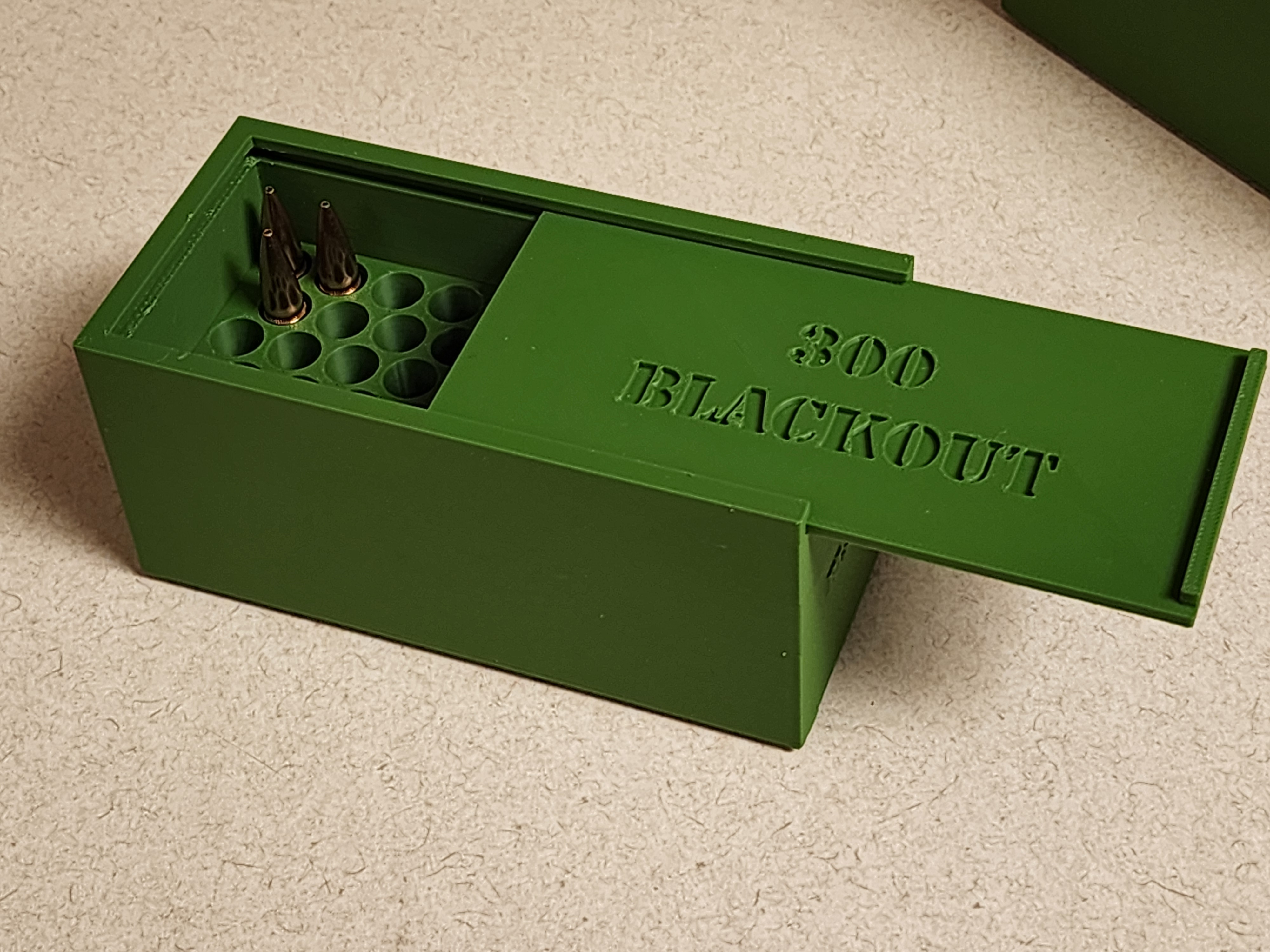
Rotating your stock with bulk ammo means consistently pulling sealed cases from the back and placing new deliveries behind them, ensuring the oldest rounds get used first without ever cracking the factory seal. The key is to store each case intact and only open one at a time for range use, then immediately replace it with a fresh sealed case at the rear of your shelf. This practice preserves the airtight barrier that protects primers and powder from moisture. First-in, first-out rotation without breaking the seal keeps your entire inventory at peak reliability, since opened cases degrade faster than untouched ones.
Q: How do I rotate bulk ammo if I only shoot occasionally?
A: Simply mark the purchase date on each sealed case, and always grab the oldest marked case first. Open only that one, shoot from it, and when it’s empty, move a new sealed case into its spot, pushing older unopened cases forward.
Airtight Ammo Cans vs. Original Factory Packaging: What Works Best
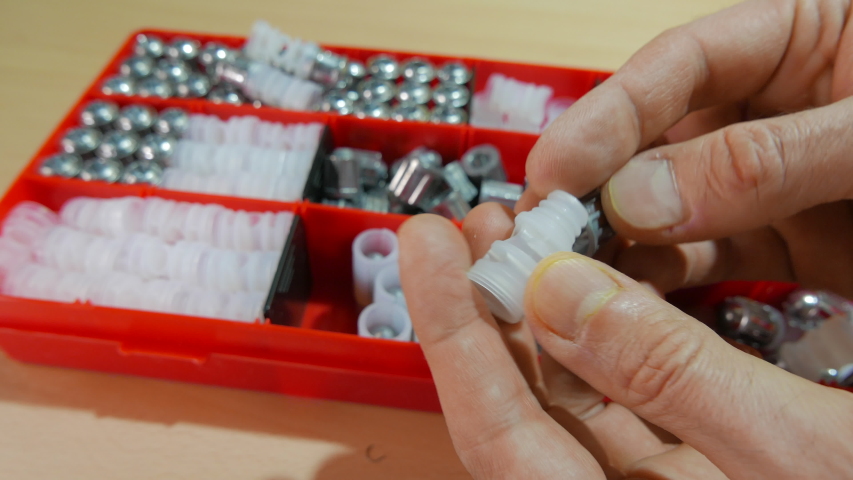
For bulk ammo storage, original factory packaging is fine for short-term stacking, but airtight ammo cans offer superior long-term protection. Cardboard boxes breathe, drawing in humidity that corrodes brass and degrades primers, especially in fluctuating climates. Airtight cans with rubber gaskets create a sealed barrier against moisture and rapid temperature swings. For decades-long storage, transfer loose ammunition into cans with desiccant packs. Reserve factory boxes only for quick-range trips or organizing by lot number. If you rotate stock yearly, factory packaging works; if you buy by the case and store for the long haul, airtight cans are the clear winner.
- Airtight cans prevent rust 6mm Creedmoor Ammo for Sale and primer degradation from humidity; factory boxes do not.
- Factory packaging saves space but offers zero moisture protection after the seal is broken.
- Use airtight cans with desiccant to stop condensation from temperature changes.
- Keep original labels or lot numbers inside cans for traceability without losing protection.
How to Split a Large Order to Get the Best Mix of Rounds
Splitting a large .22-250 Ammo for Sale bulk ammo order into multiple shipments optimizes your round variety without sacrificing per-case discounts. First, determine your firearm calibers and intended uses—training, defense, or competition—then allocate your total budget across these categories. For a 5,000-round order, reserve 60% for range-grade ammunition (cheapest for practice), 30% for duty or self-defense loads (hollow points or bonded rounds), and 10% for specialty rounds like +P or subsonic. Split by case quantity (e.g., 3,000 of 9mm FMJ + 1,500 of 9mm JHP + 500 of 9mm subsonic) to keep each sub-order above the bulk threshold. Place sub-orders with the same vendor on the same day to lock in volume pricing while requesting separate delivery dates—this prevents tying up your credit in one massive shipment and lets you test different loads early. Never split below the bulk case count, or you lose the per-round savings.
Combining Range Practice Rounds with High-Grade Defensive Loads in One Purchase
Splitting a bulk ammo order lets you pair budget-friendly practice rounds with a smaller quantity of premium defensive loads in a single transaction. Allocate roughly 80% of your budget to range ammunition, such as aluminum-cased or bulk FMJ, for high-volume drills, and use the remaining 20% for jacketed hollow points or bonded rounds that match your carry firearm’s exact specifications. This approach ensures you can maintain muscle memory with low-cost rounds while verifying zero and reliability with defensives loads from the same lot, avoiding separate shipping fees and inventory gaps. Test at least two magazines of defensive ammo per pistol each range session, then reserve the rest for carry. Cycle older defensive stock into practice to keep your carry supply fresh without waste.
Calculating Your Monthly Usage Rate to Decide Whether 1,000 or 5,000 Rounds Is Smarter
To pick between 1,000 and 5,000 rounds, tally your range trips per month and the average box count you burn each visit. If you shoot two boxes of 50 weekly, that’s roughly 400 rounds monthly—meaning 1,000 covers about 2.5 months, while 5,000 stretches past a year. The smarter move is to match your monthly usage rate to your storage and budget ceiling; if your habit stays under 500 rounds monthly, 1,000 avoids tying up cash and space, but if you exceed that, 5,000 cuts per-round cost and reload frequency. Just divide your monthly average into each bulk size, then see which number leaves you with a comfortable buffer without overstocking past your typical shelf life.
Your monthly usage rate is the only honest calculator—divide it into 1,000 and 5,000, then choose the size that fits your routine without wasting money or clutter.
Mixing Calibers in a Single Wholesale Order to Feed Multiple Guns Efficiently
Consolidating multiple calibers into one wholesale ammo order reduces per-unit shipping costs and administrative overhead while ensuring every firearm in your inventory is fed. Prioritize high-volume calibers (e.g., 9mm, 5.56) for the bulk of the order, then allocate the remaining weight allowance to less common rounds like .300 Blackout or .45 ACP. Verify that the distributor allows mixed-caliber pallets without triggering repacking fees. Request unified headstamp lots per caliber to maintain consistent ballistics across your guns. Optimized mixed-caliber procurement hinges on calculating round counts against case dimensions—not just price—to maximize freight efficiency without overpaying for oversized packaging.
Mixing calibers in a single wholesale order cuts logistics costs and ensures every firearm you own is fed, provided you balance case volume, lot consistency, and distributor mix rules.
Common Mistakes People Make When Buying in Bulk and How to Avoid Them
Buying bulk ammo often backfires when shooters ignore lot numbers, mixing batches that cause point-of-impact shifts and frustrating accuracy issues—always request the same lot or test each before committing. Another frequent error is chasing the lowest price per round without checking brass quality or primer sensitivity, leading to malfunctions that negate any savings; stick to reputable manufacturers even if it costs slightly more. Overlooking storage is critical: loose rounds crammed into damp garages corrode quickly, so invest in sealed ammo cans with desiccant packs and rotate stock by date. The real win is calculating your actual annual consumption before ordering, not just grabbing a “deal” that leaves you with 3,000 rounds of a cartridge you barely shoot. Finally, never skip a function test in your specific firearm, and track your round count religiously—otherwise, you’ll mistake a bad batch for a broken gun.
Overlooking the Date Code and Lot Number on Your Purchase

When buying bulk ammo, overlooking the date code and lot number can cost you in consistency and safety. The lot number identifies the exact manufacturing batch, so mixing multiple lots in one bulk order means you may get varying pressure signs, bullet seating depths, or powder charges that shift your point of impact at the range. The date code reveals age; older stock can suffer from corroded primers 6mm ARC Ammo for Sale or degraded propellant, especially if stored poorly. Always request the lot number before checkout, then verify that same number is printed on every case or box upon delivery. If the dealer can’t provide it, ask for a sealed case from a single lot to avoid mixed batches.
- Ask the retailer for the lot number before purchase and confirm all boxes share it.
- Check the date code for ammo older than 5–10 years unless you trust the storage history.
- Record both lot and date codes in your inventory to track any future recalls or accuracy issues.
Ignoring Recoil Sensitivity When Buying High-Volume 9mm or .223 Loads
Buying 5,000 rounds of hot 9mm NATO or high-pressure .223 loads without assessing your recoil tolerance is a costly error. What feels manageable in a 20-round box becomes punishing after 200 rounds, reducing accuracy and fostering a flinch that ruins your practice sessions. Matching your bulk ammo to your rifle or pistol’s weight and your physical limits is non-negotiable. If you’re sensitive to muzzle rise, stick to standard-pressure 115-grain 9mm or 55-grain .223 loads, not +P or heavy-bullet variants. A slight savings per round on “tactical” ammunition is worthless if you can’t shoot it effectively in volume.
Q: Should I buy the cheapest high-velocity bulk loads if I’m a new shooter?
A: No—prioritize low-recoil standard loads to build fundamentals, then scale up power only after your control improves.
Forgetting to Check if Your Range or Club Allows Certain Bullet Types in Bulk Quantities
When you commit to bulk ammo purchases, forgetting to verify your range’s bullet-type policy can turn a great deal into a locked safe. Many clubs ban steel-core, armor-piercing, or bimetal-jacketed projectiles because they damage backstops or spark fires. Before ordering a case of 1,000 rounds, check the club’s written rules or call the office—don’t rely on verbal gossip. 9x23mm Winchester Ammo for Sale If you already bought the wrong type, you’re stuck with shipping costs or a non-refundable stash. A simple pre-purchase checklist prevents this:
- Confirm 7.62 Tokarev Ammo for Sale the range’s allowed bullet materials (e.g., lead, copper, or frangible).
- Verify if bulk quantities require special approval or inspection on arrival.
- Ask if any box count or caliber size triggers additional fees or bans.
Lock in the policy first, then buy—your wallet and membership depend on it.