The Nature of Randomness in Gambling
At its core, casino play is largely dictated by randomness, as games like slots, roulette, and blackjack incorporate elements of luck and chance. Randomness ensures that outcomes are unpredictable, contributing to the excitement that players experience. Each spin of a slot machine or roll of the dice is an independent event, unaffected by past results. This inherent randomness creates a scenario where players often question whether a strategic approach can indeed influence their chances of winning, especially when considering options like australian neosurf casino that offer varied experiences. The thrill of uncertainty is one of the main attractions of gambling, as players experience the highs of winning and the lows of losing.
Due to the random nature of these games, many players turn to various strategies in hopes of outsmarting the system. However, it’s crucial to understand that even the most well-thought-out plans can’t change the odds that are fundamentally built into these games. For instance, while a strategy might help manage a player’s budget more effectively or create the illusion of control, it cannot alter the mathematical probabilities that dictate game outcomes. This mathematical framework is what defines the essence of gambling, where knowing the odds becomes essential for any player looking to navigate the casino landscape.
The psychological aspect of randomness also plays a significant role in how players engage with casino games. Players often perceive streaks or patterns in random events, which can lead them to make decisions based on these illusions. This phenomenon, known as the gambler’s fallacy, often clouds the judgment of even experienced players, making them believe they can predict future outcomes based on past performances, which is simply not possible in truly random games. Understanding these psychological traps is essential for players, as recognizing the fallacies in their thinking can help mitigate losses and foster a more enjoyable gaming experience.
Strategies Used by Casino Players
Despite the dominance of randomness, many players employ strategies that they believe may give them an edge. In games like blackjack, for example, players often use the basic strategy, which involves making mathematically optimal decisions based on their hand and the dealer’s upcard. This approach can maximize a player’s chances of winning over time, as it minimizes the house edge. However, even with a solid strategy, the outcome of each hand is still subject to the same random variability. This interplay between strategy and luck is what makes blackjack particularly engaging, as players feel more in control compared to games based solely on chance.
Similarly, in poker, players utilize strategies revolving around probability, bluffing, and reading opponents to gain an advantage. Successful poker players understand the odds of particular hands and the likelihood of their opponents having stronger cards. While these strategies can improve one’s chances in a competitive scenario, they also rely on the unpredictable nature of how other players will act, demonstrating that randomness remains a significant factor. The strategic depth of poker sets it apart from more random games, yet the unpredictable nature of opponents introduces a layer of complexity that no strategy can fully conquer.

Nevertheless, many of these strategies often lead to misconceptions about control within gambling. Players frequently cling to the belief that strategic play can consistently overcome random chance, which can lead to reckless behavior and greater financial risks. For those who engage with casino games regularly, it is vital to remember that while strategies can enhance the experience, they cannot guarantee success due to the inherent unpredictability of the games. Ultimately, players must remain grounded in the understanding that they are engaging in a form of entertainment where the house always holds an advantage.
The House Edge and Its Implications
In any casino game, the house edge represents the mathematical advantage that the casino has over the players. This advantage varies from game to game, influencing the long-term profitability for the casino. For instance, in blackjack, the house edge can be as low as 0.5% with optimal play, while in slots, it might reach up to 10% or more, depending on the game. Understanding the house edge is crucial for players as it fundamentally shapes their expectations and experiences. It serves as a reminder that the casino is designed to win over time, making it essential for players to approach gaming with a clear understanding of their odds.
While players might employ various strategies to combat the house edge, it remains an essential aspect of the casino environment. The house edge is designed to ensure that, over time, the casino will profit. Therefore, no matter how advanced a strategy may be, if it does not account for the house edge, it will ultimately be less effective in countering randomness. Educating oneself about these factors is a crucial step for anyone looking to navigate the complexities of casino games successfully. Players armed with knowledge can make more informed decisions, enhancing their overall experience while minimizing potential losses.
Moreover, the house edge serves as a reminder of the odds players are up against. It highlights the importance of responsible gambling and understanding the risks involved. Players who enter the casino with a clear idea of the house edge can make more informed decisions regarding their gameplay, managing their bankrolls more effectively, and setting realistic expectations about their chances of winning. In this sense, knowledge can empower players even in the face of randomness, allowing them to enjoy the entertainment aspect of gambling while minimizing the risks associated with it.
The Role of Psychological Factors in Gambling
The interaction between strategy and randomness is not solely mathematical; psychological factors play a significant role in how players approach gambling. First, players often experience a range of emotions that can influence their decision-making. Fear, thrill, and anticipation can cloud judgment, leading individuals to make choices that are not in their best interest. For instance, a player may chase losses, believing that a winning hand or spin is just around the corner, ultimately spiraling their financial situation. Understanding these emotional triggers is essential for players as they navigate the highs and lows of gambling.
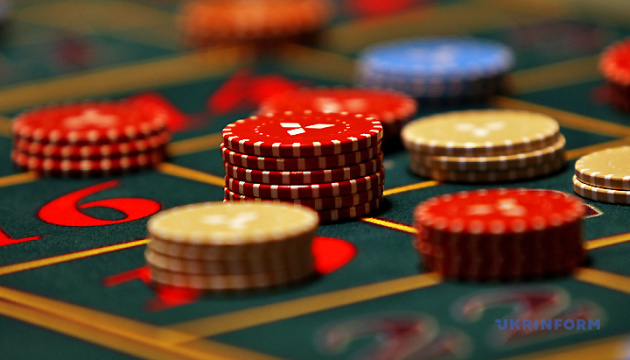
Additionally, cognitive biases can affect how players perceive their chances of winning. The availability heuristic often leads players to overestimate the likelihood of winning because they remember recent wins more vividly than losses. This skewed perception can reinforce the belief that strategy might be able to outsmart the intrinsic randomness of games, cultivating a false sense of control. Recognizing these cognitive biases allows players to make more rational decisions, helping them maintain a balanced approach to gambling.
Lastly, social influences can also impact a player’s gambling behavior. Friends or other players may suggest specific strategies or approaches, creating a social validation that encourages persistence, even in the face of losses. This social component can amplify the psychological aspects of gambling, reinforcing both the allure of strategic play and the difficulty of accepting the randomness that defines the casino experience. Players need to be aware of these external influences to ensure that their decisions remain grounded in personal judgment rather than social pressure.
Conclusion: Embracing Strategy Within the Limits of Randomness
In conclusion, while players often seek strategies to enhance their chances of winning in casino games, it is essential to understand that randomness is a fundamental aspect of these experiences. Strategies can help manage emotions, bankrolls, and decision-making processes, but they cannot fundamentally alter the odds of the games. Players must approach their gameplay with a clear understanding of both the probabilities involved and the psychological factors at play. Embracing the randomness inherent in gambling allows for a more enjoyable experience, one that acknowledges the thrill of chance.
Recognizing the limits of strategy in the face of randomness allows players to engage in casino play more responsibly. By doing so, they can set realistic expectations and genuinely enjoy the thrill of the game for what it is. Embracing randomness while respecting strategic boundaries results in a more fulfilling and less risky gambling experience. Players should focus on the entertainment value of casino games while being mindful of their strategies, allowing them to enjoy gaming as a fun and exciting activity.
For those interested in learning more about gambling strategies and their limitations, our website offers a wealth of resources and insights on responsible gaming, game mechanics, and the psychology behind casino play. By providing comprehensive information, we aim to empower players with knowledge for a safer and more enjoyable gambling journey. Our goal is to foster a supportive community where players can share experiences and strategies while acknowledging the unpredictable nature of their gaming pursuits.